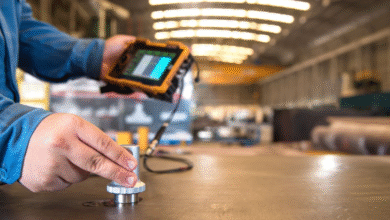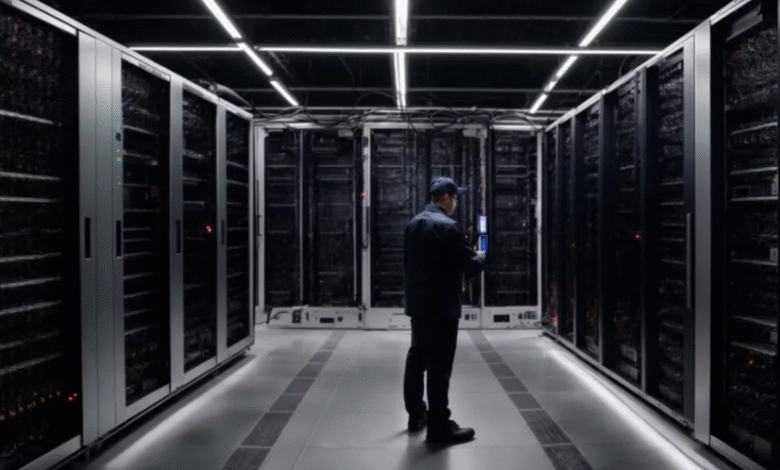
In today’s technology-driven world, uninterrupted power is crucial for businesses, data centers, healthcare facilities, and industrial operations. Power failures can lead to severe operational disruptions, data loss, financial damage, and even safety hazards. A large uninterruptible power supply (UPS) is the solution to prevent these problems by providing a reliable, continuous power source during outages and fluctuations.
What is a Large Uninterruptible Power Supply?
A large uninterruptible power supply is an electrical device designed to provide backup power to critical equipment when the main power source fails. Unlike small UPS systems used for personal computers, large UPS units are capable of supporting entire data centers, hospitals, industrial machinery, and telecommunications infrastructure. They not only supply power during blackouts but also stabilize voltage fluctuations, protect against surges, and ensure smooth operation of sensitive electronics.
These systems typically consist of three key components:
- Rectifier/Charger – Converts incoming AC power to DC and charges the UPS batteries.
- Battery Bank – Stores energy to supply during power interruptions.
- Inverter – Converts stored DC power back to AC for use by connected equipment.
Large UPS units can range from tens of kilowatts to multiple megawatts, depending on the scale of the facility and the load requirements.
See also: 5 Home Maintenance Tasks People Forget About
Benefits of Using a Large UPS
Implementing a large uninterruptible power supply provides numerous advantages:
- Continuous Power Supply – Keeps critical operations running during outages without downtime.
- Equipment Protection – Shields sensitive electronics from voltage spikes, brownouts, and power surges.
- Data Security – Prevents data corruption and loss in servers, storage systems, and networking equipment.
- Operational Efficiency – Reduces downtime costs and minimizes productivity loss in industries.
- Scalability – Large UPS systems can be expanded to accommodate increasing power demands.
Applications of Large Uninterruptible Power Supplies
Large UPS units are essential in environments where power stability is non-negotiable:
- Data Centers – Ensures uninterrupted operation of servers and networking devices.
- Hospitals and Medical Facilities – Powers life-saving medical equipment and monitoring systems.
- Industrial Plants – Maintains continuous production and prevents machinery damage.
- Telecommunications – Guarantees network reliability and uninterrupted communication.
- Financial Institutions – Protects critical banking operations and electronic transactions.
Types of Large UPS Systems
There are primarily three types of UPS systems used in large-scale operations:
- Online Double-Conversion UPS – Provides the highest level of power protection by continuously converting AC to DC and then back to AC. Ideal for environments with unstable power supply.
- Line-Interactive UPS – Offers moderate power protection and is suitable for facilities with occasional power fluctuations.
- Offline/Standby UPS – Activates only during power failure and is generally used for less critical operations.
Maintenance and Best Practices
Maintaining a large UPS system is crucial for its reliability and longevity. Key practices include:
- Regular battery checks and replacements.
- Monitoring voltage levels and load capacity.
- Periodic testing of UPS performance under simulated outages.
- Ensuring proper ventilation and temperature control in the UPS room.
- Keeping firmware and control software updated.
Frequently Asked Questions (FAQs)
Q1: How long can a large UPS provide backup power?
A large UPS can supply power from a few minutes to several hours, depending on its battery capacity and the load it supports.
Q2: Can a large UPS protect against power surges?
Yes, most large UPS systems include surge protection to safeguard sensitive equipment from voltage spikes.
Q3: What is the difference between a large UPS and a standard UPS?
A large UPS is designed to support high-capacity, critical operations, whereas a standard UPS is intended for small-scale equipment like personal computers or office devices.
Q4: Are large UPS systems scalable?
Yes, they are designed to be modular, allowing additional capacity to be added as power demands increase.
Q5: How often should the batteries in a large UPS be replaced?
Typically, UPS batteries should be replaced every 3–5 years, depending on usage, maintenance, and environmental conditions.
Conclusion
A large uninterruptible power supply is an essential investment for any organization that relies on continuous, stable power. From data centers and hospitals to industrial plants and telecommunications networks, these systems prevent downtime, protect valuable equipment, and ensure operational efficiency. Proper installation, monitoring, and maintenance of a large UPS not only safeguard critical operations but also provide peace of mind in an unpredictable power environment.