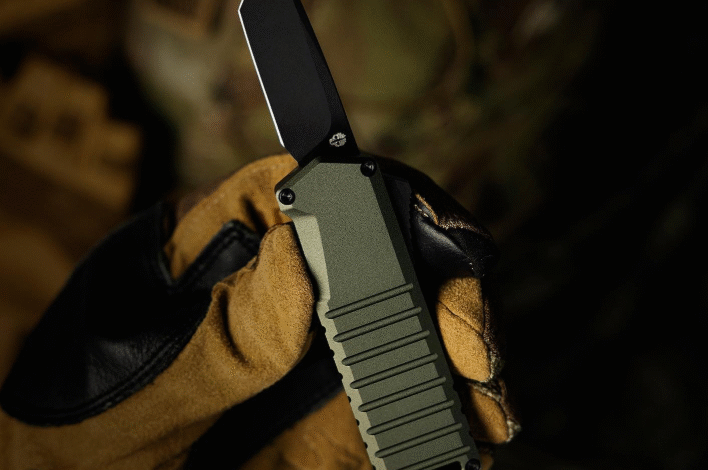
Exploring the wilderness requires a lot more than courage and curiosity. One needs to acquire a few practical skills that distinguish a safe from a precarious adventure. Of all the vital tools in any explorer’s kit, the knife is arguably the most versatile and most indispensable. Understanding a few basic knife skills makes you capable of dealing effectively with most survival tasks, from building shelters to preparing your meals. Here are five blade skills every adventurer should have in their repertoire:
Carving and Whittling
Whittling is one of the most practical knife techniques in survival. Whittling allows you to make tools, pegs, and even simple traps out of natural materials, such as wood. Always carve away from the body, starting with a secure grip to prevent accidents. Use purposeful, controlled strokes to turn branches into tools, whether sharpening a branch for use as a fire starter or creating pegs for a makeshift shelter. The more practice one has at whittling, the more hand-eye coordination a person acquires, knowing you are able to improvise functional items with materials that surround you. Also, a finely honed knife makes the process go faster, resulting in less useless effort along with a lesser chance of splinters being acquired.
Food Preparation
A knife is just as important for sustenance as it is for survival tasks. Proper food preparation may be an effective way of preventing illness and making wild edibles palatable. Filleting fish, peeling root vegetables, or slicing foragers’ finds increases your efficiency in the field. In handling any type of meat, there should be clean, precise cuts; that way, one minimizes losses and contamination. To enhance versatility in your outdoor kit, invest in a versatile OTF knife that can handle both delicate slicing and heavier cutting tasks. Knowing these techniques will make you take less time when struggling with meals, allowing you more time to enjoy your exploration. This skill development in preparing food will definitely let you adapt quickly to available resources while maintaining proper hygiene.
See also: Understanding the Stages of the Addiction Recovery Process
Fire-Starting Assistance
Though knives are not the fire, they can play an important role in fire prep. Shaving small, dry wood into fine tinder is accomplished much more effectively if performed with controlled movements of the knife. You can also use your blade to strike flint, thus creating sparks, or fashion a feather stick to help ignite your fire. Developing this skill requires understanding the right angles, pressure, and motion. Efficient knife-assisted fire lighting saves energy, enhances safety when nights are cold, and provides a reliable signal in emergencies. Of course, it also takes practice to make the motion instinctive, allowing you to attend to other survival priorities. Being able to prepare fire materials properly could very well be a lifesaver in some circumstances.
Defensive and Safety Techniques
Beyond utility tasks, knives serve as protection in survival situations. Proper grip, stance, and handling prevent accidents while positioning you to be prepared against a natural threat, whether an animal encounter or difficult terrain. Keep your knife secure when you are not using it, and practice controlled movements to avoid self-injury. Situational awareness with refined handling skills ensures that you maximize the effectiveness of the knife without compromising personal safety. Safety-focused training instills confidence, which is very valuable when surrounded by uncertainty. Panic is greatly reduced, and decision-making under stress is improved with regular review of the techniques.
Shelter Construction
A knife is indispensable in creating or reinforcing a temporary shelter. Cutting branches down to appropriate lengths, foliage trimming, or shaping poles for stability requires precision and control. Efficient slicing techniques lessen exertion and allow you to complete shelter projects faster, even in harsh weather. A sharp and well-maintained blade makes for cleaner cuts, thus reinforcing whatever it is you are constructing. These skills, honed beforehand, enable you to rapidly assemble a functional refuge when needed-providing both comfort and protection. Being proficient in it will also enhance your survivability from sudden storms or unexpected environmental hazards.Although knife skills may be synonymous with survival, they’re actually about empowerment: carving tools to prepare food, furnishing a means for fire starting, safety, and even constructing a shelter depend on competent use of the cutter. By investing some time to learn and perfect the techniques, explorers will dramatically increase safety and pleasure in the wild. Whether one is touring through thick timbers or rugged mountains, these blade techniques prepare you for anything nature may throw at you with confidence and accuracy.