In the highly competitive landscape of sports, the difference between victory and defeat is increasingly slender. Modern athletes and coaches recognize the importance of utilizing data-driven insights to optimize performance. Athletic testing equipment has become a pivotal element in this evolution, offering a wide range of tools that deliver essential information for refining training methodologies, enhancing athletic performance, and reducing injury risks. This article explores how the integration of athletic testing equipment can significantly transform training regimens.
Understanding Athletic Testing Equipment
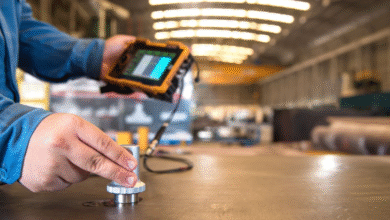
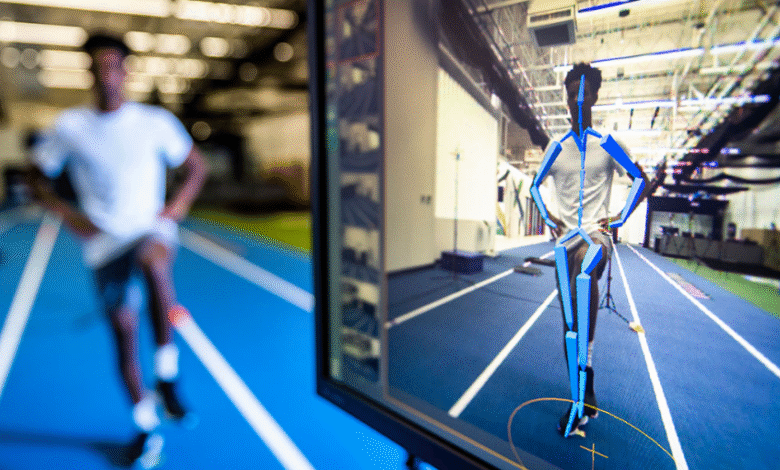
Athletic testing equipment encompasses a broad spectrum of devices engineered to measure various physical performance attributes, including speed, strength, agility, endurance, and several critical performance metrics. This category ranges from basic instruments such as timing devices and jump mats to advanced systems employing motion capture technology and wearable sensors. The insights provided by these tools are invaluable, allowing athletes to assess their performance with unprecedented accuracy.
The Significance of a Data-Driven Approach to Training
Historically, athletes relied on intuition and subjective evaluations to assess their training efficacy. The emergence of athletic testing equipment has marked a shift towards a more empirical approach. With access to comprehensive numerical data, athletes can accurately identify their strengths and weaknesses, establish measurable goals, and carefully monitor their progress over time. This transition to a data-centric framework empowers athletes to make informed training decisions, leading to personalized and effective workout plans that can significantly enhance performance.
In-Depth Performance Analysis
One of the primary advantages of athletic testing equipment is its capacity for detailed performance analysis. For instance, tools such as timing gates provide highly accurate measurements of sprint times, while force plates offer critical insights into jump height and power output. This level of detailed feedback enables athletes to pinpoint specific areas for improvement—whether related to sprinting technique, endurance levels, or physical imbalances—that may otherwise escape notice using conventional training methods.
See also: The Impact of Technology on Modern Society
Injury Prevention Through Biomechanical Analysis
Injury prevention is another vital benefit associated with the use of athletic testing equipment. By assessing an athlete’s biomechanics and movement patterns, coaches can identify potential injury risks and implement targeted preventative measures. For example, if testing indicates deficiencies in landing mechanics, specific drills can be introduced to address these issues, thereby markedly reducing the likelihood of injuries. This proactive approach not only safeguards athlete’ well-being but also enhances longevity and overall performance within their respective sports.
Customizing Training Regimens
The precision provided by athletic testing equipment allows for a tailored approach to training. Coaches can utilize data gathered from performance assessments to create customized training programs that address the unique needs of each athlete. For example, if a sprinter’s performance metrics reveal weaknesses during the acceleration phase, a coach can focus on developing specialized drills aimed at enhancing that specific skill. Over time, this targeted training can lead to significant improvements in overall athletic performance.
Longitudinal Progress Monitoring
Regular utilization of athletic testing equipment enables athletes to track their progress accurately over time. With longitudinal data at their fingertips, both athletes and coaches can discern trends and make data-driven adjustments to optimize performance. This continuous evaluation serves not only as a motivational tool for athletes but also fosters accountability in their training practices, providing concrete evidence of improvements or areas that require further attention.
Investing Wisely in Athletic Testing Equipment
While the initial financial investment in athletic testing equipment may seem substantial, the long-term benefits far outweigh the associated costs. Enhanced training effectiveness, reduced injury rates, and marked performance improvements constitute just a few of the returns on this investment. As the sporting landscape continues to evolve alongside technological advancements, athletes who embrace athletic testing equipment are likely to find themselves at the forefront of their disciplines.
Conclusion
In conclusion, integrating athletic testing equipment like Dashr into training regimens can yield transformative improvements in performance. From precise performance analysis to tailored training programs, tools like Dashr provide essential insights that are crucial for athletic success. Embracing these advancements not only enhances individual performance but also contributes to the overall evolution of sports training.