Introduction
Golf inspires focus, calm, and balance. Those same qualities now shape how you design your home and office. Golf inspired design blends clean lines, natural textures, and purposeful spaces. You create rooms that support clarity, comfort, and performance. This approach works for players and non players alike. You do not need a trophy wall or loud decor. You need intention, restraint, and smart choices that reflect how golf values rhythm and control.
Why Golf Design Fits Modern Living
Modern living rewards simplicity. Golf does the same. Every swing removes excess motion. Every good round values patience. When you apply this mindset to interiors, you reduce clutter and improve flow. Homes feel calmer. Offices feel more productive. Studies show that reduced visual clutter improves focus and lowers stress. A golf inspired space supports how you live and work today.
Color Palettes Drawn From the Course
Golf courses rely on natural contrast. Fairway green. Sand beige. Sky blue. These colors translate well indoors. Use muted greens for walls or accent chairs. Choose warm wood tones for floors and desks. Add soft whites to balance the space. Avoid bright or glossy finishes. Matte textures feel grounded and timeless. This palette keeps rooms relaxed without feeling dull.
Furniture With Purpose and Balance
Golf design values function. Furniture should do the same. Choose pieces with clean profiles and solid materials. Low profile sofas echo the horizon line of a fairway. Slim desks support focus without visual weight. Storage stays hidden to reduce distraction. Each item earns its place. If it does not serve comfort or utility, remove it.
Golf Inspired Accessories That Stay Subtle
Accessories work best when restrained. A framed course map adds character without noise. Leather accents reflect traditional golf craftsmanship. Woven baskets and linen fabrics add texture. Avoid filling shelves with memorabilia. One or two meaningful items create impact. This mirrors how golf equipment works. You carry only what you need for the round.
Lighting That Supports Focus and Calm
Lighting shapes mood. Golf courses change character throughout the day. You can recreate that effect indoors. Use layered lighting. Soft ambient light for evenings. Task lighting for work zones. Natural light matters most. Keep windows clear and use sheer treatments. Good lighting improves productivity and sleep quality. It also makes spaces feel open and controlled.
Home Offices Designed Like a Practice Range
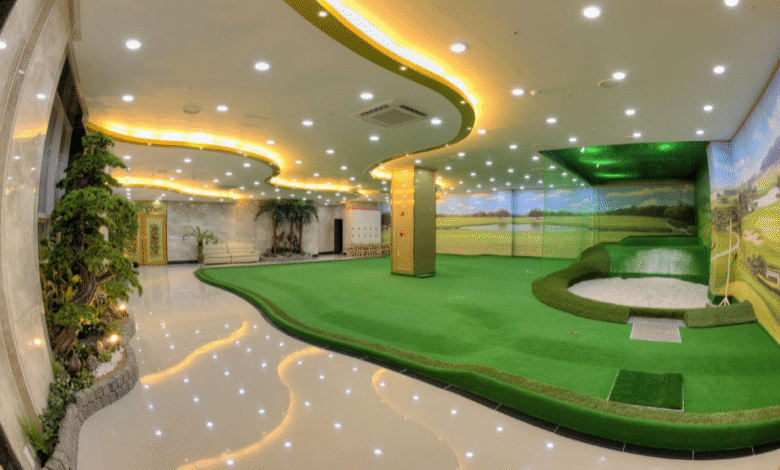
A home office benefits from golf principles. Clear targets. Minimal distractions. Comfortable stance. Place your desk facing open space rather than a wall. Use neutral colors to reduce eye fatigue. Keep cables hidden. Add a small putting mat if space allows. This creates movement during breaks and helps reset focus.
Living Spaces That Encourage Presence
Living rooms often become clutter zones. Golf inspired design pushes you to be present. Arrange seating to support conversation. Leave open floor space. Use natural materials like wood and stone. These materials ground the room and age well. The result feels intentional rather than staged.
Equipment as Design Inspiration
Golf equipment design influences interiors more than you think. Clean lines. Balanced weight. Purpose built forms. A display shelf inspired by the symmetry of club design adds interest without excess. The craftsmanship behind gear like the best golf balls for average golfer shows how performance and simplicity work together. That same thinking improves furniture and layout choices.
Offices That Reflect Professional Discipline
Corporate offices now favor wellness and efficiency. Golf inspired design fits both. Use open layouts with defined zones. Choose ergonomic chairs with understated design. Add plants to reflect course landscapes. Plants improve air quality and reduce stress. Meeting rooms benefit from round tables that echo putting greens and support collaboration.
Storage That Keeps the Space Clean
Golf bags organize clubs for a reason. Every item has a place. Apply that logic to storage. Built in cabinets keep lines clean. Closed storage hides visual noise. Open shelves stay curated and minimal. This improves focus and reduces time wasted searching for items.
Flooring That Grounds the Room
Flooring sets the tone. Wood floors reflect clubhouse warmth. Neutral carpets soften sound in offices. Area rugs define zones without walls. Choose durable materials that age well. Golf design values longevity. Your flooring should too.
Texture Over Decoration
Texture adds depth without clutter. Use leather, wool, and natural fibers. These materials connect to golf tradition. They also feel comfortable and durable. Avoid shiny surfaces that distract. Texture supports a calm visual rhythm.
Designing With Performance in Mind
Golf inspired spaces support performance. Desk height. Chair support. Lighting angles. These details matter. Just as equipment fitting improves a swing, space fitting improves work and rest. Research shows ergonomic design increases productivity and reduces fatigue. Treat your space like a custom fit.
Subtle Nods to the Game
You can honor golf without being obvious. A green accent wall. A sand toned rug. A framed scorecard from a meaningful round. These touches feel personal and refined. They avoid theme decor while still telling a story.
Craftsmanship and Quality Choices
Golf values quality over quantity. Invest in fewer, better pieces. Solid wood desks. Well made chairs. Durable fabrics. This approach reduces waste and improves satisfaction. Quality items last longer and look better with age.
Bridging Home and Office Aesthetics
Many people now work from home. Golf inspired design helps unify spaces. Use consistent colors and materials across rooms. This creates flow and reduces mental switching costs. Your home office feels like part of the home, not an afterthought.
Design Lessons From Golf Clubs
Club design balances forgiveness and control. The same applies to interiors. Spaces should support mistakes and movement. Rounded edges improve flow. Flexible seating adapts to different needs. This mirrors how equipment like the best cavity back irons helps players perform with confidence. Design should support you the same way.
Creating a Space That Lasts
Trends fade. Golf inspired design stays relevant because it relies on principles, not fads. Simplicity. Balance. Purpose. These ideas work in any era. When you design with them, your space remains functional and calm for years.
Final Thoughts on Golf Inspired Design
Golf inspired design improves how you live and work. It removes excess. It supports focus. It values quality and intention. You do not need to love golf to benefit from its design lessons. You only need to appreciate spaces that work as well as they look.
About the Author
Jordan Fuller is a professional golfer and entrepreneur who writes about equipment, lifestyle, and design. He shares expert insight on performance gear like the best blade irons.