When managing rental properties, maintaining a high standard of living for tenants is crucial. One often overlooked aspect of rental maintenance is flooring. The condition of your floors can significantly affect tenant satisfaction and property value. Recognizing when it’s time to replace flooring is essential for any landlord following a house maintenance schedule. Here are five common signs that indicate it might be time for a flooring update.
Scratches, Dents, or Cracks
Over time, normal wear and tear will leave scratches and dents on floors, especially in high-traffic areas. While minor marks might not require immediate attention, cracks are a different story. Cracks can lead to further damage and can pose safety hazards. If not promptly addressed, they can enlarge, creating tripping risks and attracting pests. This is particularly common in ceramic tiles, a popular choice for rental properties. Replacing cracked flooring protects tenants and can prevent larger, more expensive issues down the line.
Warping, Discoloration, or Dark Spots
Water damage is a serious issue in rental property maintenance, often manifesting as warping, discoloration, or dark spots. Such damage can quickly lead to mold, which needs just 24-48 hours to grow. If left unchecked, this can escalate, necessitating professional removal and potentially costly structural repairs. To prevent water damage, consider modern materials like luxury vinyl plank or engineered hardwood, both of which resist moisture and warping, making them ideal for rental spaces prone to spills.
See also: Understanding Home Disinfection Services
Creaking Floors
Creaking is a telltale sign that your floors may need replacing. This noise could be due to a damaged subfloor, aging hardwood, or poor installation. It could also result from improper binding methods used during installation. Addressing creaking floors can uncover hidden issues like subfloor rot, which could otherwise go unnoticed and become costlier over time. Using high-quality materials and installing them correctly prevents recurring creaks and ensures tenant peace of mind.
Excessive Age of Flooring
Floors, like any other part of a property, age over time. Typically, carpets should be replaced every ten to fifteen years. While materials like hardwood and stone have longer lifespans, older floors may still exhibit issues like creaking, cracking, or structural weakening. Moreover, updating older flooring can modernize the look of a rental unit, keeping it competitive in the market. Following a regular house maintenance schedule to check on the condition of your flooring is key to avoiding unexpected problems.
Updating to Increase Property Value
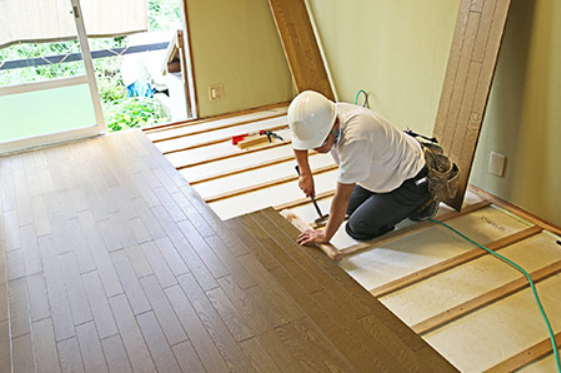
Replacing floors isn’t just about fixing problems—it’s also about enhancing property value. If you’re planning renovations or considering selling, updating worn flooring can be a strategic move. New flooring, like durable luxury vinyl plank, can be a selling point, attracting prospective tenants and allowing for higher rental rates. Modern styles that blend durability with aesthetic appeal attract more leads and potentially decrease vacancy rates.
Conclusion
Managing a rental property effectively requires more than just addressing immediate tenant needs; it involves proactive rental maintenance. Recognizing when to replace hardwood floors or any flooring material can prevent issues from escalating and keep your properties safe, appealing, and competitive. By staying vigilant about flooring conditions and opting for modern, durable materials, you protect your investment and enhance tenant satisfaction.