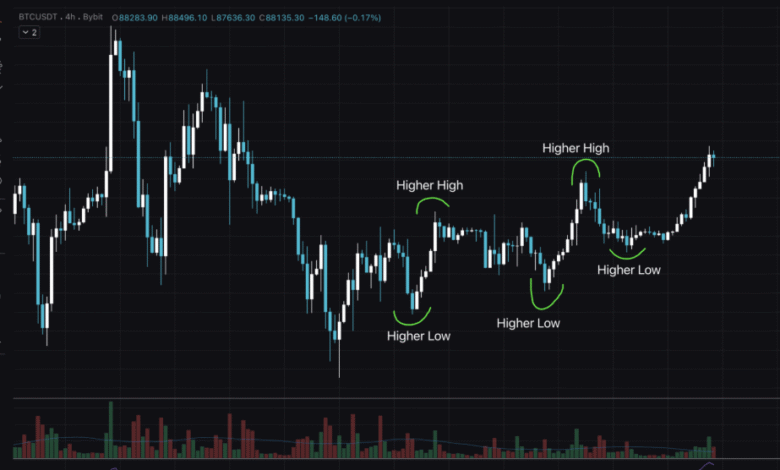
Understanding Bitcoin and Its Global Value
Bitcoin is the world’s first decentralized digital currency, created to allow peer-to-peer transactions without relying on banks or governments. Unlike traditional money, it operates on blockchain technology, a public ledger that records every transaction securely and transparently.
What Makes Bitcoin Different From Traditional Money
Bitcoin is limited in supply, with only 21 million coins ever to be mined. This scarcity makes it fundamentally different from fiat currencies, which governments can print at will. Because of this fixed supply, Bitcoin is often compared to digital gold.
Why Bitcoin Is Priced in US Dollars
The US dollar is the world’s primary reserve currency and the most widely used benchmark in global markets. Pricing Bitcoin in USD allows investors worldwide to understand its value quickly and compare it with other assets.
How Bitcoin Price USD Is Determined
The value of bitcoin price usd is not set by any single authority. Instead, it is shaped by open market activity across thousands of buyers and sellers.
Supply and Demand Mechanics
When demand for Bitcoin increases and supply remains limited, prices rise. When demand weakens or large sell-offs occur, prices fall. This basic economic principle plays a major role in daily price changes.
Role of Cryptocurrency Exchanges
Major exchanges act as marketplaces where Bitcoin is traded. Prices may vary slightly between platforms, but arbitrage traders quickly balance these differences, keeping prices relatively consistent.
Market Liquidity and Trading Volume
Higher liquidity means Bitcoin can be bought or sold without significantly affecting its price. Increased trading volume often signals strong investor interest and can lead to rapid price movements.
Historical Overview of Bitcoin Price Movements
Bitcoin’s price history is marked by dramatic growth, sharp declines, and strong recoveries.
Early Adoption Years
In its early days, Bitcoin was worth only a few cents. Limited awareness and low adoption kept prices minimal, but early believers saw its long-term potential.
Bull Runs and Market Corrections
Over time, Bitcoin experienced multiple bull markets driven by increased adoption and media attention. Each surge was followed by corrections, which helped stabilize the market and remove weak participants.
Key Factors Influencing Bitcoin’s Price
Several external forces shape Bitcoin’s valuation on a daily basis.
Institutional Adoption
When large companies and financial institutions invest in Bitcoin, it increases credibility and demand. This often leads to price appreciation and reduced long-term volatility.
Government Regulations and Policies
Supportive regulations can boost confidence, while restrictive policies may trigger sell-offs. Regulatory clarity remains one of the most important factors for future price stability.
Media, News, and Market Sentiment
Positive headlines, endorsements, or technological upgrades can push prices up, while negative news can cause fear-driven declines.
Bitcoin Price USD vs Other Fiat Currencies
Bitcoin is traded globally, but USD-based pricing remains the most influential.
Comparison With Euro and Pound
While Bitcoin is also priced in euros and pounds, USD trading pairs dominate volume. Changes in USD-based markets often influence prices worldwide.
Impact of Dollar Strength
A strong US dollar can sometimes pressure Bitcoin prices, while a weakening dollar may encourage investors to seek alternative assets like Bitcoin.
Volatility: Why Bitcoin Price Fluctuates
Bitcoin is known for its price swings, which can be both an opportunity and a risk.
Speculation and Investor Behavior
Many traders seek short-term gains, amplifying price movements. Emotional reactions to market news often increase volatility.
Global Economic Events
Inflation fears, interest rate changes, and geopolitical tensions can all impact investor demand for Bitcoin.
Risks and Challenges Associated With Bitcoin Pricing
Despite its growth, Bitcoin still faces notable challenges.
Security and Exchange Risks
Hacks, scams, and poorly managed exchanges can affect investor confidence and market prices.
Regulatory Uncertainty
Different countries apply different rules, creating uncertainty that can influence market sentiment.
Bitcoin as an Investment Asset
Bitcoin has evolved from a niche experiment into a widely discussed investment option.
Short-Term Trading vs Long-Term Holding
Some investors trade Bitcoin daily, while others hold it for years, believing in its long-term value proposition.
Portfolio Diversification
Bitcoin can act as a diversification tool, offering exposure to a non-traditional asset class alongside stocks and bonds.
Future Outlook of Bitcoin Price in USD
The future of bitcoin price usd depends on technology, adoption, and regulation.
Technological Advancements
Upgrades such as faster transaction layers and improved scalability could increase Bitcoin’s usability and demand.
Adoption Trends and Market Maturity
As adoption grows and markets mature, Bitcoin may experience more stable pricing over time.
Frequently Asked Questions (FAQs)
1. What determines the bitcoin price usd today?
It is determined by supply and demand across global cryptocurrency exchanges.
2. Is Bitcoin price influenced by the US economy?
Yes, inflation, interest rates, and dollar strength can all impact Bitcoin demand.
3. Why does Bitcoin price change so quickly?
High speculation, global trading, and limited supply contribute to rapid price movements.
4. Can Bitcoin price reach new highs in the future?
Many analysts believe increased adoption and limited supply could support long-term growth.
5. Is Bitcoin a safe investment?
Bitcoin carries risks due to volatility, but some investors view it as a long-term store of value.
6. Where can I track accurate Bitcoin prices?
You can follow real-time prices on reputable platforms like
👉 https://www.coindesk.com
Conclusion
Bitcoin has transformed how people think about money, value, and financial independence. Understanding how Bitcoin is priced in USD helps investors make informed decisions and manage risk effectively. While volatility remains a challenge, growing adoption, technological innovation, and increasing institutional interest continue to shape Bitcoin’s evolving role in the global financial system.