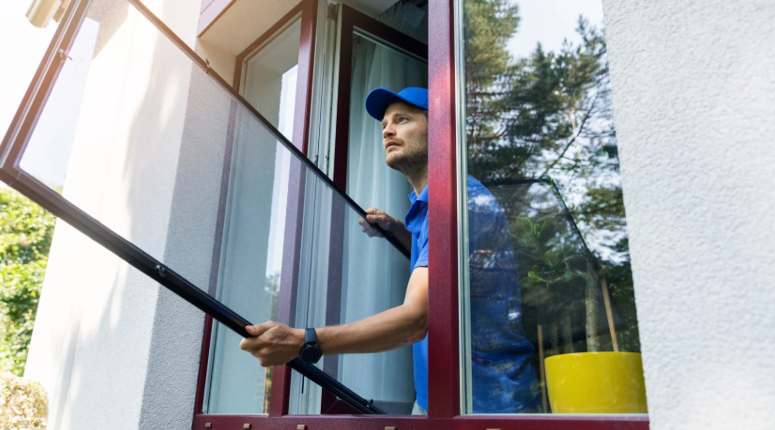
Glass selection is one of the most overlooked yet critical decisions for projects during window replacement in Houston. While framing materials and aesthetics often dominate homeowner concerns, the type of glass installed will significantly impact energy efficiency, safety, noise reduction, and overall comfort. Within the first 100 words of your decision-making process, glass specifications should be a priority, not an afterthought.
From UV protection to storm resistance, the correct glass configuration ensures your window system delivers performance that aligns with your home’s needs and climate demands.
Energy Efficiency and Comfort
Glass technology has evolved to provide superior insulation and temperature control. Options such as low-E coatings and double or triple-pane units with argon or krypton gas fills help maintain interior comfort by reducing heat transfer. These features are especially vital in climates with fluctuating temperatures or extended periods of intense heat.
Incorporating insulated glass can lead to lower HVAC use, ultimately decreasing energy bills. It also helps stabilize indoor conditions and reduces stress on your mechanical systems over time.
Safety, Security, and Climate Resilience
Selecting the right glass isn’t just about comfort; it directly affects safety and durability. Impact-resistant and laminated glass options are particularly useful in areas prone to storms or high winds.
Protection Against Extreme Weather
In storm-prone areas, safety-rated glass helps defend against windborne debris and pressure changes that can compromise window integrity. It prevents shattering, holds broken shards in place, and strengthens the entire window system’s resistance to force.
This is further emphasized by professionals who specialize in storm replacement window configurations designed to protect homes in high-risk zones. Choosing storm-rated glass not only reduces repair costs after extreme weather but also safeguards your home’s structural envelope.
Acoustic Insulation and Privacy
Another consideration is how well the glass performs in blocking external noise. Homes near busy roads, schools, or urban centers benefit from acoustic glazing, which reduces sound transmission without sacrificing visibility or light. Additionally, tinted or reflective glass options can enhance privacy during daylight hours while improving solar control.
Installation Planning and Expectations
Homeowners often underestimate the logistics of glass selection and installation. Each type of glass has different lead times, handling requirements, and structural support needs. It’s important to understand what to expect during the process, from the removal of old units to the final inspection.
Professionals typically walk clients through glass choices during the planning phase. This helps align functional goals with available technologies, preventing delays or costly redesigns later. More insights into this process are discussed in detail regarding what to expect during a window replacement project, particularly for those unfamiliar with the stages involved.
Conclusion
Selecting the right glass during a window replacement isn’t a cosmetic decision; it’s a technical one that affects your home’s performance, safety, and long-term value. Factoring in energy needs, weather exposure, and noise levels ensures you invest in a solution that protects your property while enhancing comfort. With the right combination of glass and expert installation, homeowners can realize benefits that go far beyond appearance.